Neurobotics IP, Incorporated

Coherence is robotics’ next frontier.

A machine can reason brilliantly and still act on a picture of the world that never held together. We write about coherence — why getting a robot’s senses to agree on when is what turns capable parts into reliable action.

The idea

A system can have accurate parts and still construct an inaccurate present.

A camera reports where an object was a fraction of a second ago. A force sensor registers contact after the grip has already begun to change. Each reading is correct. Together they describe a moment that never existed as a unified whole. That is not a failure of intelligence — it is a failure of coherence.

When a person’s senses fall out of agreement, the body raises an alarm: you feel dizzy. A machine has no such alarm. It proceeds, confidently and wrong. Our writing works through what that costs, what biology already solved, and what it would take to build machines whose observations, decisions, and actions stay correctly situated in time.

Writing

The Coherence Papers.

An ongoing series by our founder, written for engineers, partners, and the curious. The newest paper leads here — the full series reads in order on the blog.

Latest paper

The Birds and the Bees (And Let Us Not Forget the Fish)

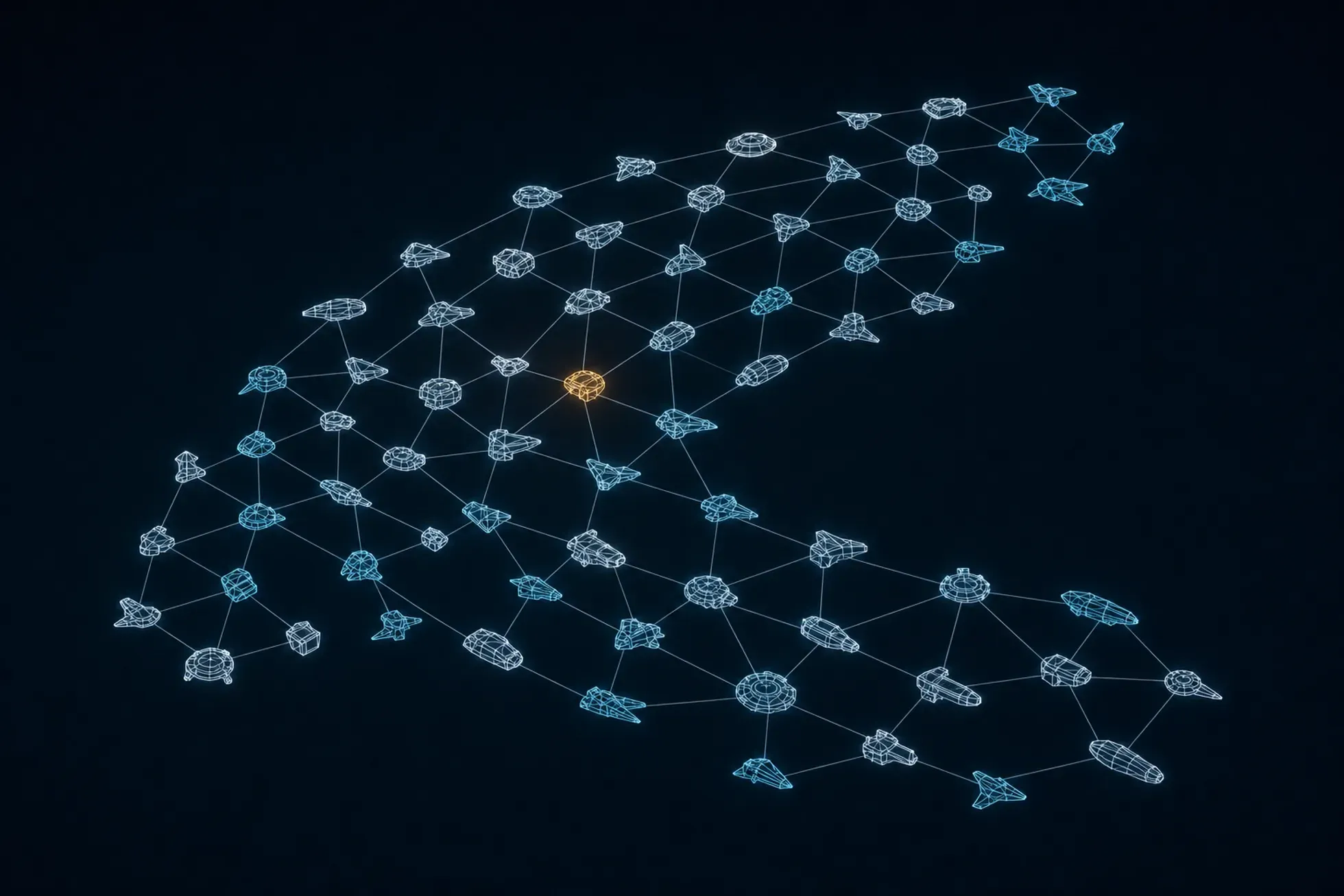
The seventh little side trip, and it starts with a promise: this isn't that conversation. Watch a flock turn as one, a school fold around a threat, a hive run entirely on specialists with no one in charge — and a stranger pattern comes into view. The flock and school get their order from difference that stays connected; the hive adds a further twist, where the differences aren't just tolerated but load-bearing. An orchestra makes the same point in a register we're more used to hearing.

Read the note
A decentralized network of small wireframe glyphs of varied shapes arranged in a curved, banking formation, each connected only to its nearest neighbors by thin lines, with one glyph near the center glowing amber against the rest in cool white and cyan.

Earlier in the series

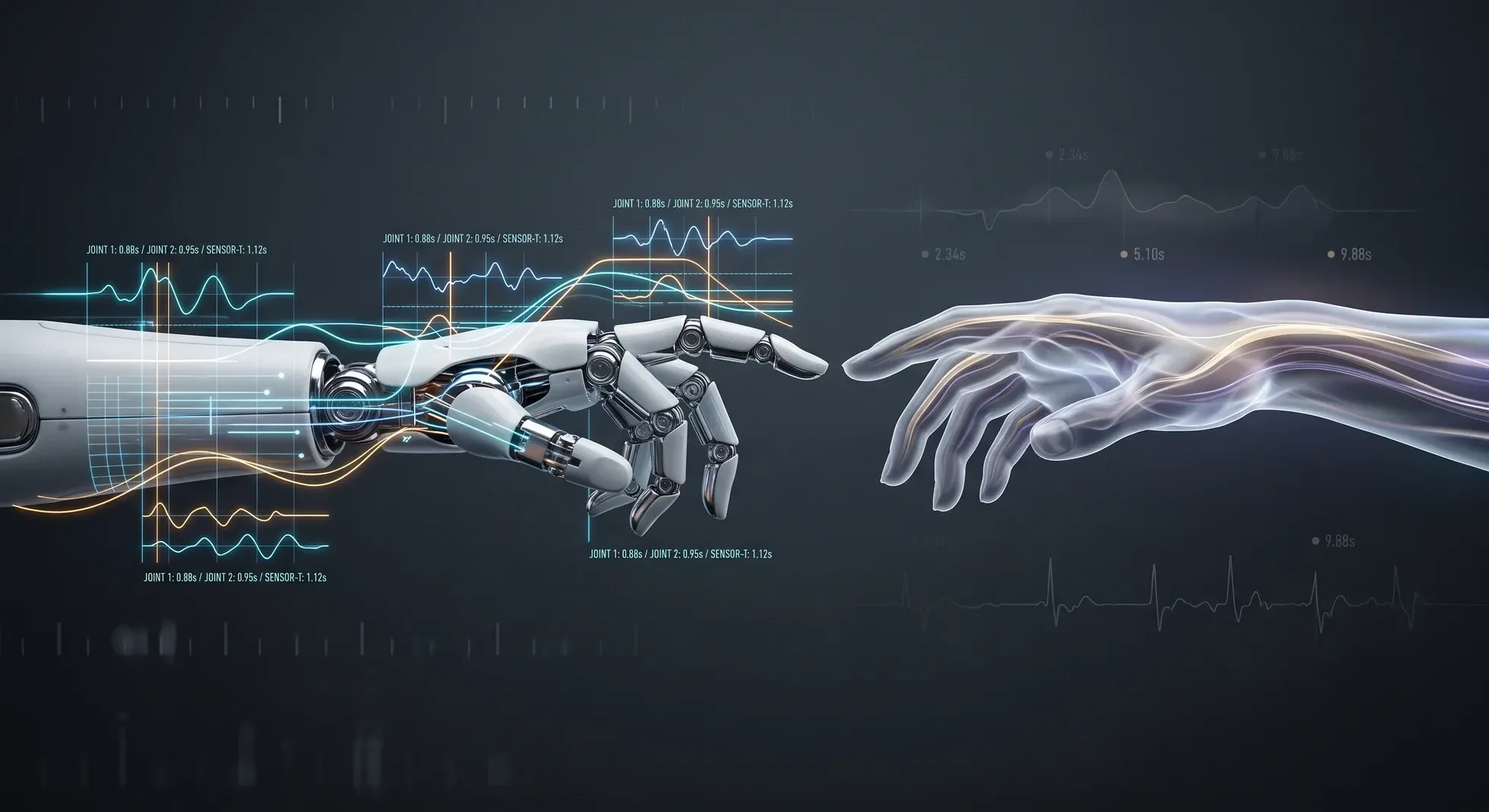
A white robotic hand reaching toward a translucent human hand, overlaid with sensor timing waveforms and per-joint latency readouts.

Why Robots Can't Move Like Humans Do

Humanoid robots can now walk, grasp, and navigate on their own — yet they still hesitate handing over an object, stumble when a variable shifts, and fail when the lighting changes. These aren't isolated bugs; they're symptoms of a deeper architectural problem. Part I of The Coherence Papers argues the real bottleneck for humanoids isn't intelligence or sensing but coordination: getting dozens of independent subsystems to agree on what is happening, where, and — crucially — when.

Read
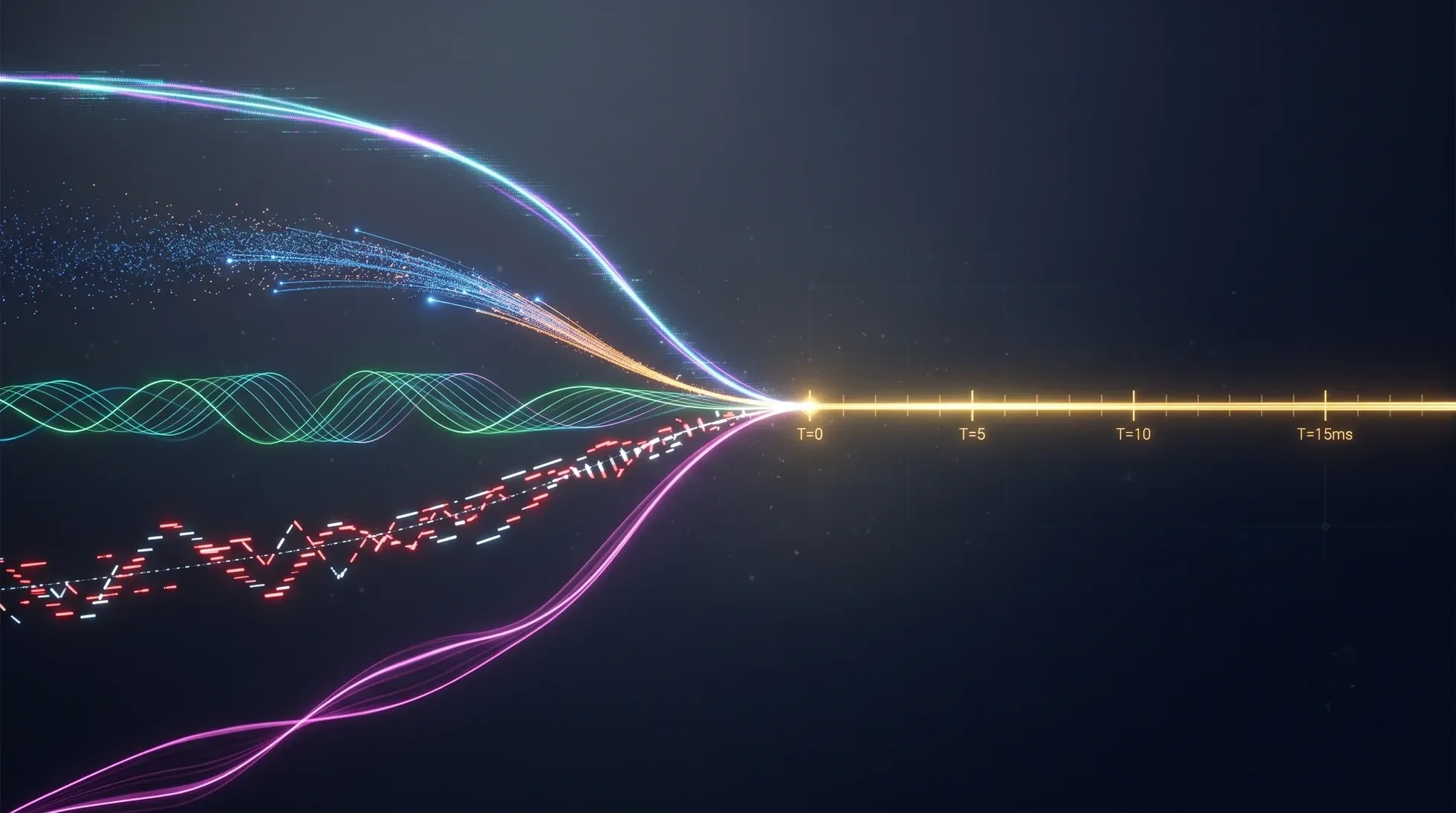
Multiple colored sensor signal streams converging into a single bright instant at T=0, then continuing as one aligned golden timeline.

Time: The Invisible Sensor

Time measures no light, no sound, no motion — and yet every sensor depends on it to mean anything. Part II of The Coherence Papers reframes time not as metadata stapled onto a measurement after the fact, but as the common reference that lets a camera, a LiDAR, and an inertial unit describe the same instant instead of drifting apart. Like an orchestra where every musician plays flawlessly to a slightly different beat, a robot whose subsystems don't share a sense of time turns capable parts into noise.

Read
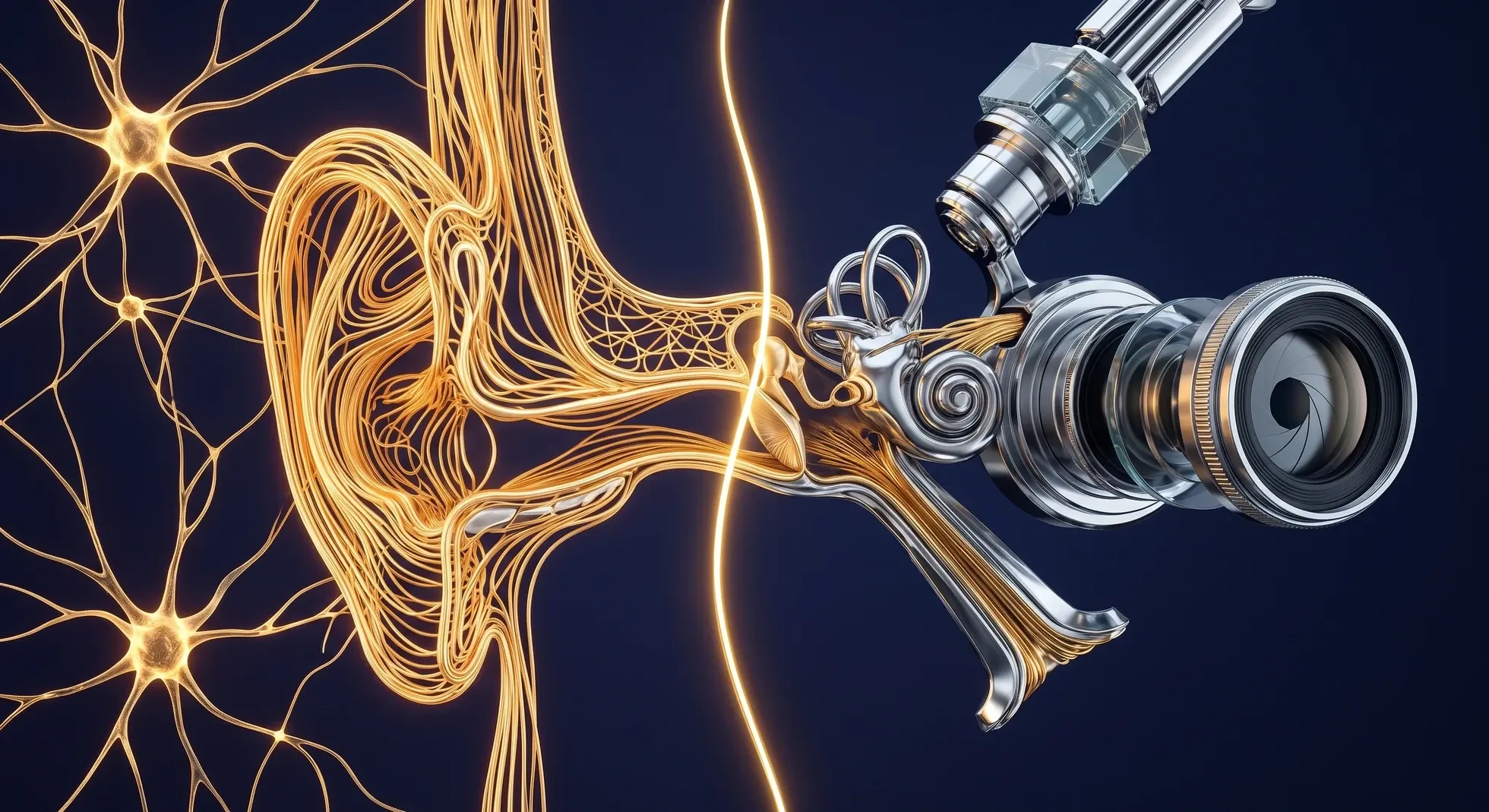
A golden anatomical nervous system and inner ear on the left transitioning into a chrome robotic camera and lens on the right, split by a bright dividing line.

From Reflexes to Reason: What Biology Can Teach Robotics About Coordination

Modern AI keeps getting smarter — but intelligence isn't the same as coordination, and a brilliant system can still stumble on uneven ground. Part III of The Coherence Papers turns to the one that already solved the problem: biology. An emergency physician draws the lesson from vertigo — when the senses disagree, a dizzy patient at least feels the alarm, while a robot whose camera and inertial sensors fall out of sync simply proceeds, confidently and wrong. It's a look at silent failure, and what the body's distributed nervous system teaches robotics about avoiding it.

Read
Read the series in order
Portrait of Vince Truong, D.O., founder of Neurobotics IP
About the founder

Vince Truong, D.O.

Emergency medicine physician and independent inventor, based in Maui, Hawaii. In emergency medicine, timing precision is the difference between intervention and loss — and the patients who arrive dizzy are a daily reminder of what happens when the senses stop agreeing. That same precision drives his approach to robotic sensing, and a question that bridges medicine and engineering: how do we give machines the same coordinated sense of time that biology achieves naturally?

Connect on LinkedIn
Get in touch

Let’s start a conversation.

Questions about the writing, or something you’d like to discuss? Tell us a little and we’ll reply to the address you provide — usually within five business days.

Thank you — your inquiry is on its way.

We've received your message and will reply to the email you provided, usually within five business days.